

Description
High-Quality Antimony Potassium Tartrate
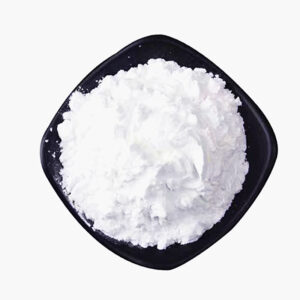
Antimony Potassium Tartrate, with chemical formula K₂Sb₂(C₄H₂O₆)₂·3H₂O and CAS number 28300-74-5, commonly known as Tartar Emetic, Potassium Antimonyl Tartrate, or Antimony Potassium Tartrate Trihydrate, available in various grades including technical grade (98-99% purity), pharmaceutical grade (99-99.5% purity), and industrial grade (97-98.5% purity), is a colorless to white crystalline powder with exceptional water solubility and outstanding mordant characteristics appearing as fine crystalline solid with excellent processing properties and superior chemical stability. Antimony Potassium Tartrate is specifically manufactured to provide reliable mordant action, effective dye binding, and chemical reactivity, making it ideal for applications requiring textile fiber treatment, leather processing, ceramic surface modification, and galvanic coating processes in textile manufacturing, leather industries, ceramic production, and metal finishing applications. The compound works through several mechanisms including complex formation with textile fibers for mordant action, metal chelation for surface treatment, antimony ion release for chemical processing, and coordination chemistry for specialized applications, providing superior dye fastness, enhanced color retention, reliable surface properties, and outstanding processing performance. Antimony Potassium Tartrate represents one of the most important specialty chemicals for mordant applications across multiple industries, providing exceptional solubility characteristics, superior mordant efficiency, excellent chemical stability, and outstanding processing compatibility, making it essential for textile manufacturers, leather processors, ceramic producers, and galvanic facilities requiring high-performance chemical solutions and reliable technical support.
At Chemicals & Process Equipment Limited, we supply high-performance Antimony Potassium Tartrate manufactured under stringent quality control standards and international industrial, textile, pharmaceutical, and specialty application specifications. Our comprehensive product range includes various purity levels, crystal forms, and specialized grades meeting diverse requirements for textile processing, leather treatment, ceramic applications, and galvanic coating across global textile, leather, ceramic, and industrial markets.
✅ Advanced Chemical Technology – Optimized Purity Levels & Multi-Industry Applications
✅ Consistent Quality Standards – Multiple Product Classifications with Comprehensive Documentation
✅ Essential Industrial Chemical – Superior Mordant, Coating & Processing Performance
✅ Multi-Industry Applications – Textiles, Leather, Ceramics, Galvanic & Specialty Processing
✅ Technical Support Package – Complete Application Guidance & Performance Optimization
The global antimony potassium tartrate market was valued at approximately USD 3.5 million in 2024 and is projected to reach USD 5.2 million by 2033, growing at a CAGR of 4.8% during the forecast period. Market expansion is driven by increasing textile production, growing leather processing demand, expanding ceramic applications, and rising specialty chemical requirements in industrial processing applications.
Technical Specifications & Antimony Potassium Tartrate Properties
| Property | Technical Grade | Pharmaceutical Grade | Industrial Grade | Textile Grade | Ceramic Grade | Galvanic Grade |
|---|---|---|---|---|---|---|
| Purity (%) | 98-99 | 99-99.5 | 97-98.5 | 98-99.2 | 97.5-98.8 | 98.2-99.3 |
| Antimony (Sb) Content (%) | 25.8-26.2 | 26.0-26.3 | 25.5-26.0 | 25.7-26.1 | 25.6-26.0 | 25.8-26.2 |
| Potassium (K) Content (%) | 11.7-12.1 | 11.8-12.0 | 11.5-11.9 | 11.6-12.0 | 11.6-11.9 | 11.7-12.0 |
| Water Content (%) | 8.0-8.5 | 8.1-8.3 | 7.8-8.6 | 8.0-8.4 | 7.9-8.5 | 8.0-8.4 |
| Loss on Drying (%) | 0.5-1.0 | 0.3-0.8 | 0.8-1.2 | 0.4-0.9 | 0.6-1.1 | 0.5-1.0 |
| pH (1% solution) | 7.8-8.5 | 8.0-8.3 | 7.6-8.6 | 7.7-8.4 | 7.8-8.5 | 7.9-8.4 |
| Bulk Density (kg/m³) | 1200-1400 | 1250-1350 | 1150-1380 | 1200-1380 | 1180-1360 | 1220-1390 |
| True Density (g/cm³) | 2.6 | 2.6 | 2.6 | 2.6 | 2.6 | 2.6 |
| Particle Size (μm) | 50-200 | 20-100 | 80-300 | 40-180 | 60-250 | 30-150 |
| Mesh Size (Tyler) | 80-200 | 100-325 | 60-150 | 80-250 | 70-200 | 100-300 |
| Solubility @ 20°C (g/100mL) | 8.3 | 8.3 | 8.3 | 8.3 | 8.3 | 8.3 |
| Solubility @ 100°C (g/100mL) | 35.7 | 35.7 | 35.7 | 35.7 | 35.7 | 35.7 |
| Dissolution Rate (min) | 2-5 | 1-3 | 3-8 | 2-6 | 3-7 | 1-4 |
| Melting Point (°C) | Decomposes | Decomposes | Decomposes | Decomposes | Decomposes | Decomposes |
| Decomposition Temp (°C) | 100-110 | 100-110 | 100-110 | 100-110 | 100-110 | 100-110 |
| Specific Heat (J/g·K) | 0.95 | 0.95 | 0.95 | 0.95 | 0.95 | 0.95 |
| Thermal Conductivity (W/m·K) | 0.8 | 0.8 | 0.8 | 0.8 | 0.8 | 0.8 |
| Crystal System | Monoclinic | Monoclinic | Monoclinic | Monoclinic | Monoclinic | Monoclinic |
| Crystal Form | Prismatic | Prismatic | Prismatic | Prismatic | Prismatic | Prismatic |
| Color | Colorless-White | Colorless | White | White | Off-White | White |
| Appearance | Crystalline | Fine Crystal | Crystalline | Fine Powder | Powder | Fine Crystal |
| Odor | Odorless | Odorless | Odorless | Odorless | Odorless | Odorless |
| Taste | Metallic-Sweet | Metallic | Metallic | Metallic | N/A | N/A |
| Stability | Stable | Stable | Stable | Stable | Stable | Stable |
| Hygroscopicity | Slight | Slight | Slight | Slight | Slight | Slight |
| Effloresces in Air | Yes | Yes | Yes | Yes | Yes | Yes |
| Light Sensitivity | Stable | Stable | Stable | Stable | Stable | Stable |
| Oxidation State | +3 | +3 | +3 | +3 | +3 | +3 |
| Coordination Number | 6 | 6 | 6 | 6 | 6 | 6 |
| Molecular Weight | 667.87 | 667.87 | 667.87 | 667.87 | 667.87 | 667.87 |
| Molar Volume (cm³/mol) | 256.9 | 256.9 | 256.9 | 256.9 | 256.9 | 256.9 |
| Dielectric Constant | 12.5 | 12.5 | 12.5 | 12.5 | 12.5 | 12.5 |
| Electrical Conductivity (S/m) | Low | Low | Low | Low | Low | Low |
| Refractive Index | 1.58 | 1.58 | 1.58 | 1.58 | 1.58 | 1.58 |
| Surface Tension (mN/m) | 72.5 | 72.5 | 72.5 | 72.5 | 72.5 | 72.5 |
| Viscosity (cP @ 20°C) | 1.1 | 1.1 | 1.1 | 1.1 | 1.1 | 1.1 |
| Chloride (Cl⁻) (ppm) | <100 | <50 | <150 | <80 | <120 | <60 |
| Sulfate (SO₄²⁻) (%) | <0.1 | <0.05 | <0.15 | <0.08 | <0.12 | <0.06 |
| Iron (Fe) (ppm) | <50 | <20 | <80 | <40 | <60 | <25 |
| Lead (Pb) (ppm) | <10 | <5 | <15 | <8 | <12 | <6 |
| Arsenic (As) (ppm) | <5 | <2 | <8 | <4 | <6 | <3 |
| Heavy Metals (as Pb) (ppm) | <20 | <10 | <30 | <15 | <25 | <12 |
| Sodium (Na) (ppm) | <500 | <200 | <800 | <400 | <600 | <300 |
| Calcium (Ca) (ppm) | <200 | <100 | <300 | <150 | <250 | <120 |
| Magnesium (Mg) (ppm) | <100 | <50 | <150 | <80 | <120 | <60 |
| Water Insoluble (%) | <0.1 | <0.05 | <0.15 | <0.08 | <0.12 | <0.06 |
| Acid Insoluble (%) | <0.05 | <0.02 | <0.08 | <0.04 | <0.06 | <0.03 |
| Residue on Ignition (%) | <0.2 | <0.1 | <0.3 | <0.15 | <0.25 | <0.12 |
| Organic Impurities (%) | <0.1 | <0.05 | <0.15 | <0.08 | <0.12 | <0.06 |
| Reducing Substances | <0.05 | <0.02 | <0.08 | <0.04 | <0.06 | <0.03 |
| Oxidizing Substances | <0.05 | <0.02 | <0.08 | <0.04 | <0.06 | <0.03 |
| LD₅₀ (oral, rat) (mg/kg) | 115 | 115 | 115 | 115 | 115 | 115 |
| Toxicity Class | High | High | High | High | High | High |
| Carcinogenicity | Not classified | Not classified | Not classified | Not classified | Not classified | Not classified |
| Mutagenicity | Not classified | Not classified | Not classified | Not classified | Not classified | Not classified |
| Reproductive Toxicity | Not classified | Not classified | Not classified | Not classified | Not classified | Not classified |
| Skin Irritation | Mild | Mild | Mild | Mild | Mild | Mild |
| Eye Irritation | Moderate | Moderate | Moderate | Moderate | Moderate | Moderate |
| Respiratory Irritation | Moderate | Moderate | Moderate | Moderate | Moderate | Moderate |
| Storage Temperature (°C) | 15-25 | 15-25 | 10-30 | 15-25 | 10-28 | 15-25 |
| Storage Humidity (%) | <70 | <65 | <75 | <70 | <72 | <68 |
| Packaging | Drums/Bags | Bottles/Bags | Drums/Bags | Bags | Drums | Bottles/Drums |
| Shelf Life (months) | 36 | 24 | 48 | 36 | 42 | 30 |
| Container Material | HDPE/Glass | Glass/HDPE | HDPE/Steel | HDPE/PP | HDPE/Steel | Glass/HDPE |
| Transport Class | 6.1 | 6.1 | 6.1 | 6.1 | 6.1 | 6.1 |
| UN Number | UN1551 | UN1551 | UN1551 | UN1551 | UN1551 | UN1551 |
| Packing Group | III | III | III | III | III | III |
| Hazard Label | Toxic | Toxic | Toxic | Toxic | Toxic | Toxic |
| GHS Signal Word | Warning | Warning | Warning | Warning | Warning | Warning |
| H-Statements | H302, H332, H411 | H302, H332, H411 | H302, H332, H411 | H302, H332, H411 | H302, H332, H411 | H302, H332, H411 |
| P-Statements | P261, P273, P301+P312 | P261, P273, P301+P312 | P261, P273, P301+P312 | P261, P273, P301+P312 | P261, P273, P301+P312 | P261, P273, P301+P312 |
| Application Temperature (°C) | 20-80 | 20-60 | 20-100 | 20-85 | 20-120 | 20-70 |
| Working Concentration (%) | 1-10 | 0.5-5 | 2-15 | 1-8 | 3-12 | 0.5-6 |
| Contact Time (hours) | 0.5-24 | 1-12 | 1-48 | 0.5-18 | 2-36 | 0.5-8 |
| Processing pH Range | 6-9 | 7-8.5 | 5.5-9.5 | 6.5-8.5 | 6-9 | 7-8.5 |
| Mordant Efficiency (%) | 85-95 | 90-98 | 80-92 | 88-96 | 82-90 | 92-99 |
| Dye Fixation (%) | 90-98 | 95-99 | 85-95 | 92-98 | 88-94 | 95-99 |
| Color Fastness Rating | 4-5 | 4.5-5 | 3.5-4.5 | 4-5 | 4-4.5 | 4.5-5 |
| Wash Fastness | Excellent | Excellent | Very Good | Excellent | Good-Very Good | Excellent |
| Light Fastness | Good | Very Good | Good | Very Good | Good | Very Good |
| Rubbing Fastness | Very Good | Excellent | Good | Very Good | Good | Excellent |
| Fabric Compatibility | Cotton/Wool/Silk | All Natural | Cotton/Linen | Cotton/Wool | N/A | N/A |
| Leather Type Compatibility | All Types | N/A | Chrome/Veg Tan | All Types | N/A | N/A |
| Metal Compatibility | Steel/Brass/Copper | N/A | All Metals | N/A | Ceramics | All Metals |
| Coating Thickness (μm) | 5-50 | N/A | 10-100 | N/A | 20-200 | 2-25 |
| Adhesion Strength (MPa) | 15-35 | N/A | 10-40 | N/A | 25-60 | 20-45 |
| Corrosion Resistance | Good | N/A | Very Good | N/A | Excellent | Very Good |
| Environmental Impact | Medium | Low | Medium-High | Medium | Medium | Low-Medium |
| Biodegradability | Poor | Poor | Poor | Poor | Poor | Poor |
| Aquatic Toxicity LC₅₀ (mg/L) | 5-15 | 5-15 | 5-15 | 5-15 | 5-15 | 5-15 |
| Bioaccumulation | Moderate | Moderate | Moderate | Moderate | Moderate | Moderate |
| Regulatory Status | Industrial | Pharmaceutical | Industrial | Textile | Ceramic | Industrial |
| FDA Approval | Historical | Historical | No | No | No | No |
| Pharmacopoeia | USP/BP | USP/BP/EP | N/A | N/A | N/A | N/A |
| REACH Registration | Yes | Yes | Yes | Yes | Yes | Yes |
| OSHA Classification | Toxic | Toxic | Toxic | Toxic | Toxic | Toxic |
| TSCA Listed | Yes | Yes | Yes | Yes | Yes | Yes |
| EU Classification | 051-003-00-9 | 051-003-00-9 | 051-003-00-9 | 051-003-00-9 | 051-003-00-9 | 051-003-00-9 |
| Quality Standards | ISO 9001 | USP/BP | ASTM | AATCC | ASTM C373 | ASTM B499 |
| Test Methods | Titration/AAS | Pharmacopoeia | Gravimetric | Colorimetric | XRF/ICP | Electrochemical |
| Certificate Analysis | Standard | Enhanced | Standard | Textile-Specific | Ceramic-Specific | Galvanic-Specific |
| Technical Support | Standard | Enhanced | Basic | Textile-Focused | Ceramic-Focused | Galvanic-Focused |
| Application Training | Yes | Yes | Limited | Yes | Yes | Yes |
| Safety Training | Required | Critical | Required | Required | Required | Critical |
| Cost per Ton | Medium | High | Low-Medium | Medium | Medium | High |
| Bulk Pricing | Available | Premium | Available | Available | Available | Limited |
| Contract Terms | Standard | Specialized | Flexible | Textile-Specific | Standard | Specialized |
| Supply Reliability | Very Good | Good | Excellent | Very Good | Good | Good |
| Global Availability | Worldwide | Regional | Worldwide | Worldwide | Regional | Limited |
Available Product Types:
- Technical Grade Antimony Potassium Tartrate for general industrial applications
- Pharmaceutical Grade for historical medicinal and analytical applications
- Industrial Grade for manufacturing and processing operations
- Textile Grade for mordant and dyeing applications
- Ceramic Grade for ceramic surface treatment and glazing
- Galvanic Grade for electroplating and metal coating applications
- Crystalline Form for controlled dissolution and processing
- Powder Form for rapid mixing and application
- Trihydrate Form for standard industrial applications
- Anhydrous Form for specialized processing requirements
- High Purity Grade for analytical and research applications
- Custom Blends for specific application requirements
Specialized Application Solutions:
- Textile mordant system design and dyeing process optimization
- Leather treatment consulting and processing improvement
- Ceramic surface modification and glaze development
- Galvanic coating process design and quality enhancement
- Metal finishing system optimization and performance improvement
- Quality control systems and analytical testing protocols
- Environmental compliance and safety management programs
- Custom formulation development for specific applications
- Process optimization and efficiency improvement consulting
- Equipment selection and material handling system design
- Technical training and application development programs
- Performance monitoring and product quality assurance services
Textile Processing Applications
Cotton Fabric Mordanting Textile manufacturers utilize Antimony Potassium Tartrate for cotton mordanting, dye fixation, and color fastness requiring textile grade specifications. Textile chemists employ antimony potassium tartrate for direct dye applications, color retention enhancement requiring superior wash fastness, light stability, and color brilliance in cotton textile processing with established mordanting procedures and quality standards.
Wool and Silk Treatment Natural fiber processors use Antimony Potassium Tartrate for protein fiber mordanting, dye binding, and processing enhancement requiring wool grade specifications. Textile technologists employ antimony potassium tartrate for acid dye applications, fiber protection procedures requiring gentle treatment, color depth, and fiber integrity in premium wool and silk textile processing operations.
Printing and Dyeing Operations Textile printing facilities utilize Antimony Potassium Tartrate for print paste formulation, color development, and pattern definition requiring printing grade specifications. Print technicians employ antimony potassium tartrate for reactive dye printing, discharge printing applications requiring sharp definition, color intensity, and pattern clarity in textile printing and finishing operations.
Fabric Finishing Processes Textile finishing operations use Antimony Potassium Tartrate for after-treatment processes, color correction, and quality enhancement requiring finishing grade specifications. Finishing specialists employ antimony potassium tartrate for color standardization, shade matching applications requiring consistent results, color uniformity, and quality assurance in textile finishing and quality control procedures. For comprehensive information about antimony potassium tartrate industrial applications, textile mordanting processes, and chemical safety guidelines, visit the NOAA CAMEO Chemicals Database which provides detailed guidance on chemical properties, industrial uses, and safety protocols for antimony potassium tartrate handling and applications.
Leather Processing Applications
Chrome Tanning Enhancement Leather manufacturers utilize Antimony Potassium Tartrate for chrome tanning improvement, leather quality enhancement, and processing optimization requiring leather grade specifications. Leather chemists employ antimony potassium tartrate for tanning acceleration, fiber penetration applications requiring improved softness, durability, and processing efficiency in chrome tanning operations.
Vegetable Tanning Applications Traditional leather processors use Antimony Potassium Tartrate for vegetable tanning enhancement, natural leather processing, and quality improvement requiring natural grade specifications. Leather artisans employ antimony potassium tartrate for tannin fixation, color development applications requiring natural appearance, environmental compatibility, and traditional leather quality characteristics.
Leather Dyeing and Finishing Leather finishing facilities utilize Antimony Potassium Tartrate for leather dyeing, color fixation, and surface treatment requiring finishing grade specifications. Leather technicians employ antimony potassium tartrate for aniline dyeing, color penetration applications requiring even coloration, color fastness, and aesthetic appeal in premium leather finishing operations.
Specialty Leather Products Specialty leather manufacturers use Antimony Potassium Tartrate for luxury leather processing, exotic leather treatment, and high-end applications requiring premium grade specifications. Specialty processors employ antimony potassium tartrate for designer leather, automotive leather applications requiring superior quality, durability, and aesthetic characteristics in luxury leather product manufacturing.
Ceramic Applications
Ceramic Glaze Formulation Ceramic manufacturers utilize Antimony Potassium Tartrate for glaze chemistry, surface properties, and firing characteristics requiring ceramic grade specifications. Ceramic chemists employ antimony potassium tartrate for matte glaze development, texture control applications requiring controlled surface characteristics, thermal expansion matching, and aesthetic appeal in ceramic glaze formulations.
Porcelain Production Fine ceramic producers use Antimony Potassium Tartrate for porcelain body modification, firing behavior, and quality enhancement requiring porcelain grade specifications. Ceramic engineers employ antimony potassium tartrate for thermal shock resistance, mechanical strength applications requiring dimensional stability, thermal properties, and mechanical performance in fine porcelain manufacturing.
Technical Ceramics Advanced ceramic facilities utilize Antimony Potassium Tartrate for technical ceramic production, functional properties, and performance enhancement requiring technical grade specifications. Ceramic technologists employ antimony potassium tartrate for electronic ceramics, structural applications requiring specific electrical properties, thermal characteristics, and mechanical performance in technical ceramic manufacturing.
Ceramic Pigments and Colors Ceramic color manufacturers use Antimony Potassium Tartrate for pigment development, color stability, and thermal resistance requiring pigment grade specifications. Color chemists employ antimony potassium tartrate for high-temperature colors, firing stability applications requiring color retention, thermal stability, and consistent color development in ceramic pigment production.
Galvanic and Metal Finishing Applications
Electroplating Processes Electroplating facilities utilize Antimony Potassium Tartrate for bath chemistry, metal deposition, and coating quality requiring electroplating grade specifications. Plating engineers employ antimony potassium tartrate for complex ion formation, metal distribution applications requiring uniform coating, adhesion properties, and surface quality in electroplating operations.
Metal Surface Treatment Metal finishing operations use Antimony Potassium Tartrate for surface preparation, pre-treatment processes, and coating enhancement requiring metal finishing grade specifications. Surface treatment specialists employ antimony potassium tartrate for cleaning solutions, etching applications requiring surface activation, coating adhesion, and treatment uniformity in metal finishing processes.
Decorative Coating Applications Decorative metal processors utilize Antimony Potassium Tartrate for decorative finishes, aesthetic enhancement, and specialty coatings requiring decorative grade specifications. Decorative specialists employ antimony potassium tartrate for artistic metalwork, architectural applications requiring visual appeal, corrosion protection, and decorative quality in specialty metal finishing operations.
Industrial Coating Systems Industrial coating facilities use Antimony Potassium Tartrate for protective coatings, corrosion resistance, and durability enhancement requiring industrial grade specifications. Coating engineers employ antimony potassium tartrate for primer systems, protective applications requiring corrosion protection, mechanical properties, and long-term performance in industrial coating systems.
Specialty Chemical Applications
Analytical Chemistry Analytical laboratories utilize Antimony Potassium Tartrate for chemical analysis, standard preparation, and analytical procedures requiring analytical grade specifications. Analytical chemists employ antimony potassium tartrate for gravimetric analysis, titration standards applications requiring known composition, analytical accuracy, and reliable results in chemical analysis and quality control procedures.
Research and Development Research institutions use Antimony Potassium Tartrate for chemical synthesis, experimental procedures, and product development requiring research grade specifications. Research scientists employ antimony potassium tartrate for coordination chemistry, materials research applications requiring high purity, controlled composition, and reproducible results in scientific research and development projects.
Chemical Synthesis Chemical manufacturers utilize Antimony Potassium Tartrate for antimony compound synthesis, intermediate production, and specialty chemical manufacturing requiring synthesis grade specifications. Process chemists employ antimony potassium tartrate for antimony oxide production, specialty chemical applications requiring controlled reactions, product purity, and process efficiency in chemical synthesis operations.
Educational and Training Educational institutions use Antimony Potassium Tartrate for chemistry education, laboratory training, and demonstration purposes requiring educational grade specifications. Chemistry instructors employ antimony potassium tartrate for analytical chemistry, coordination chemistry applications requiring safe handling, educational value, and instructional effectiveness in chemistry education and training programs.
Quality Control & Testing Procedures
Comprehensive Quality Assurance Every production batch undergoes extensive testing to ensure compliance with antimony potassium tartrate standards, industrial requirements, pharmaceutical specifications, and international quality standards. Our quality control laboratory employs advanced analytical techniques including atomic absorption spectroscopy, gravimetric analysis, and comprehensive chemical evaluation.
Quality assurance procedures include:
- Antimony content determination using atomic absorption spectroscopy
- Potassium content analysis using flame photometry methods
- Purity assessment using gravimetric and volumetric analysis
- Water content determination using Karl Fischer titration
- pH measurement using calibrated electrodes and standard buffers
- Heavy metals analysis using ICP-MS and atomic absorption spectroscopy
- Chloride and sulfate analysis using ion chromatography
- Particle size distribution analysis using sieve analysis
- Solubility testing using standardized dissolution methods
- Loss on drying determination using controlled heating
- Residue on ignition testing using high-temperature furnaces
- Crystal structure analysis using X-ray diffraction
- Thermal analysis using DSC and TGA methods
- Microscopic examination using optical microscopy
- Mordant efficiency testing using textile samples
- Dye fixation assessment using colorimetric methods
- Color fastness evaluation using standard test methods
- Chemical compatibility testing using material samples
- Stability testing using accelerated aging protocols
- Environmental compliance verification using standard methods
- Quality system compliance using ISO standards
- Performance testing using application-specific protocols
- Customer application support using pilot testing
- Technical consultation using expert evaluation
- Continuous improvement using statistical process control
Storage & Handling Procedures Implement proper storage conditions including moisture protection, temperature control, protection from light, proper ventilation, and comprehensive safety procedures for maintaining Antimony Potassium Tartrate quality and ensuring safe handling throughout storage and application periods while following all safety regulations for toxic materials.
Market Applications & Industry Trends
Textile Industry Growth Growing global textile production, increasing quality requirements, expanding natural fiber processing, and rising color fastness standards drive continued demand for antimony potassium tartrate in textile mordanting applications requiring superior dye fixation, color retention, and processing efficiency.
Leather Industry Development Advancing leather processing technology, increasing quality standards, expanding luxury leather markets, and growing automotive leather demand drive adoption of antimony potassium tartrate for leather treatment applications requiring enhanced quality, durability, and aesthetic characteristics.
Ceramic Industry Expansion Expanding ceramic production, increasing technical ceramic applications, growing architectural ceramics demand, and advancing ceramic technology drive development of antimony potassium tartrate applications requiring specialized surface properties, thermal characteristics, and processing enhancement.
Specialty Chemical Growth Growing specialty chemical manufacturing, increasing analytical chemistry applications, expanding research activities, and advancing materials science drive adoption of antimony potassium tartrate for specialized applications requiring high purity, controlled properties, and reliable performance.
Environmental & Regulatory Compliance
Health and Safety Management Antimony Potassium Tartrate requires strict safety protocols including personal protective equipment, exposure monitoring, and medical surveillance ensuring worker protection with consideration for toxicity risks and established safety procedures from handling and processing operations.
Transportation Safety Standards Compliance with DOT regulations, international shipping requirements, and hazardous material guidelines ensures safe transportation and handling in industrial operations with established safety protocols and emergency response procedures for toxic material management under UN1551 classification.
Environmental Protection Standards Adherence to environmental regulations, emission controls, and waste management requirements ensures responsible use in manufacturing applications with established environmental protection measures and controlled disposal procedures for antimony-containing materials.
Workplace Safety Regulations Compliance with OSHA standards, industrial hygiene requirements, and safety management systems ensures safe workplace conditions with established safety protocols, exposure limits, and comprehensive safety training for personnel handling toxic materials.
Performance Advantages & Technical Benefits
✔ Exceptional Mordant Properties – Superior dye binding and color fixation with sustained performance
✔ High Chemical Purity – Consistent quality ensuring reliable processing and application results
✔ Excellent Solubility – Complete dissolution for uniform application and processing convenience
✔ Superior Color Fastness – Outstanding wash and light fastness for long-lasting results
✔ Multi-Application Versatility – Suitable for textile, leather, ceramic, and galvanic applications
✔ Chemical Stability – Reliable performance with minimal degradation during storage
✔ Fine Crystal Structure – Uniform particle size for consistent processing characteristics
✔ Controlled Reactivity – Predictable chemical behavior for process optimization
✔ Quality Consistency – Reliable chemical composition and performance across batches
✔ Technical Support – Complete application guidance and process optimization services
✔ Regulatory Compliance – Industry compliant formulations with comprehensive documentation
✔ Global Availability – Reliable supply chains and worldwide distribution network
✔ Storage Stability – Extended shelf life with minimal performance degradation
✔ Processing Compatibility – Suitable for various manufacturing and application systems
✔ Safety Protocols – Well-established handling procedures and comprehensive safety guidelines
Our Antimony Potassium Tartrate products represent industry-leading standards in industrial chemical technology and specialty applications, specifically manufactured for demanding textile processing operations, leather treatment processes, ceramic manufacturing systems, and advanced galvanic coating applications requiring exceptional chemical purity, reliable mordant properties, and comprehensive process optimization. We provide complete technical support, application guidance, and performance consultation to ensure optimal results across your specialized textile, leather, ceramic, or galvanic processing applications.
For detailed specifications, technical data sheets, or application-specific recommendations, contact our specialized chemicals division. We offer complete support including product selection, process optimization, system design, performance monitoring, regulatory guidance, and technical assistance to maximize effectiveness in your textile processing, leather treatment, ceramic production, or galvanic coating applications.
For more information about our products, feel free to Contact Us today.



Reviews
There are no reviews yet.